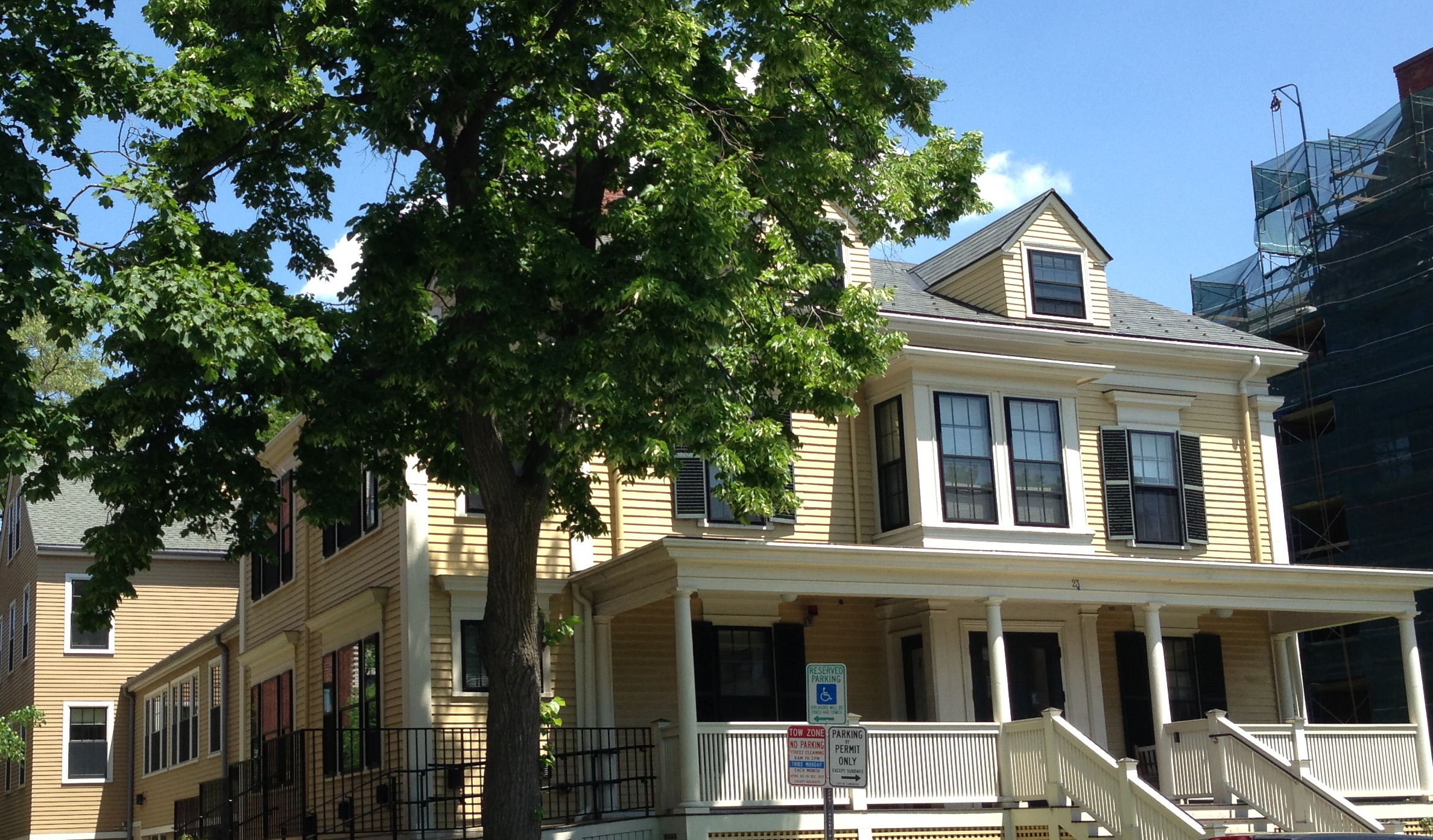
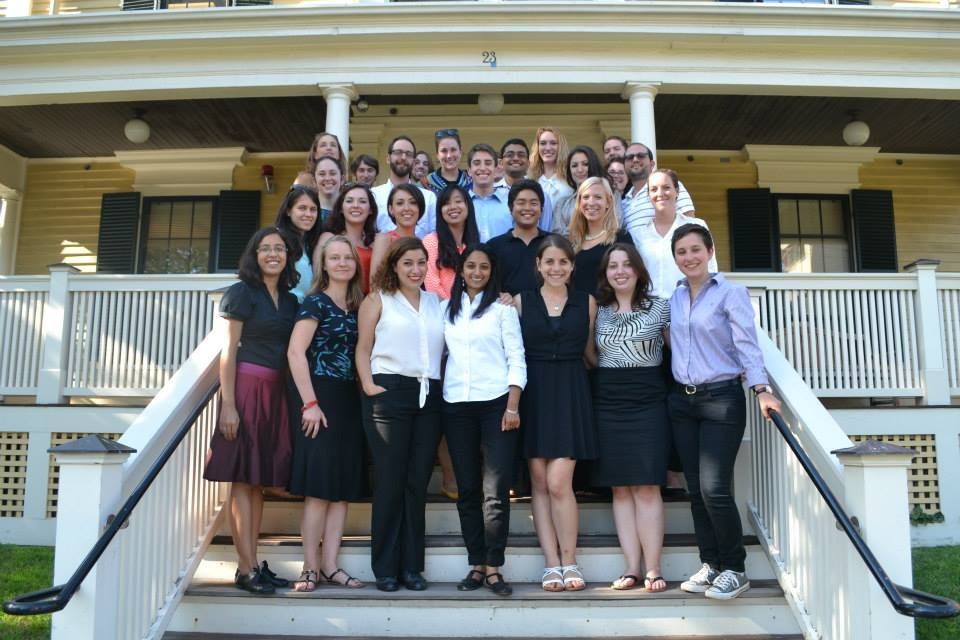
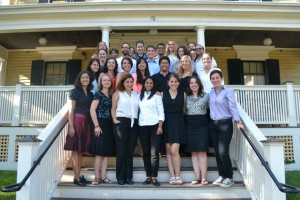
 This summer, I was fortunate enough to intern for the Digital Media Law Project (DMLP) at the Berkman Center in Cambridge, MA. Our office facility — fondly referred to as the “big yellow house” — was home to a large number of Berkman Center projects, of which the DMLP was one.
The Berkman Center is a wonderful place to work, as the house is constantly filled to the brim with scholars in a variety of fields. It seemed that wherever you went, from the front porch to the kitchen, you were welcomed in eavesdropping on a conversation about an interesting new research project or developing body of law. Berkman also houses a number of fascinating software development projects.
My day-to-day life as a DMLP intern was filled with media law — a complex world of legal issues like defamation, copyright, trademark, anti-SLAPP motions, Section 230 of the Communication Decency Act, DMCA takedown notices, shield laws for reporters, first amendment issues, and more.
I worked on a number of projects for the DMLP throughout the summer. In my legal threat research, my supervisors, Jeff Hermes and Andy Sellars, encouraged me to delve into complex litigation procedures while analyzing court documents for recent media law cases. Through this research, I gained an understanding of how pervasive media law issues are in our court system and in our lives.
On another project, I researched and wrote detailed legal guides on issues such as how to form a journalism cooperative in Pennsylvania and how to operate under Tennessee’s recording laws. The legal guide work is essential for reporters and citizen journalists who need to understand in non-legalese the legal implications of publishing within their state.
 Finally, every two weeks, I was encouraged to develop a blog post on my topic of choice. The DMLP blogs provided me the freedom to delve into specific areas of media law including a patent on podcasts, the federal shield law, and how journalist organizations are using Instagram.
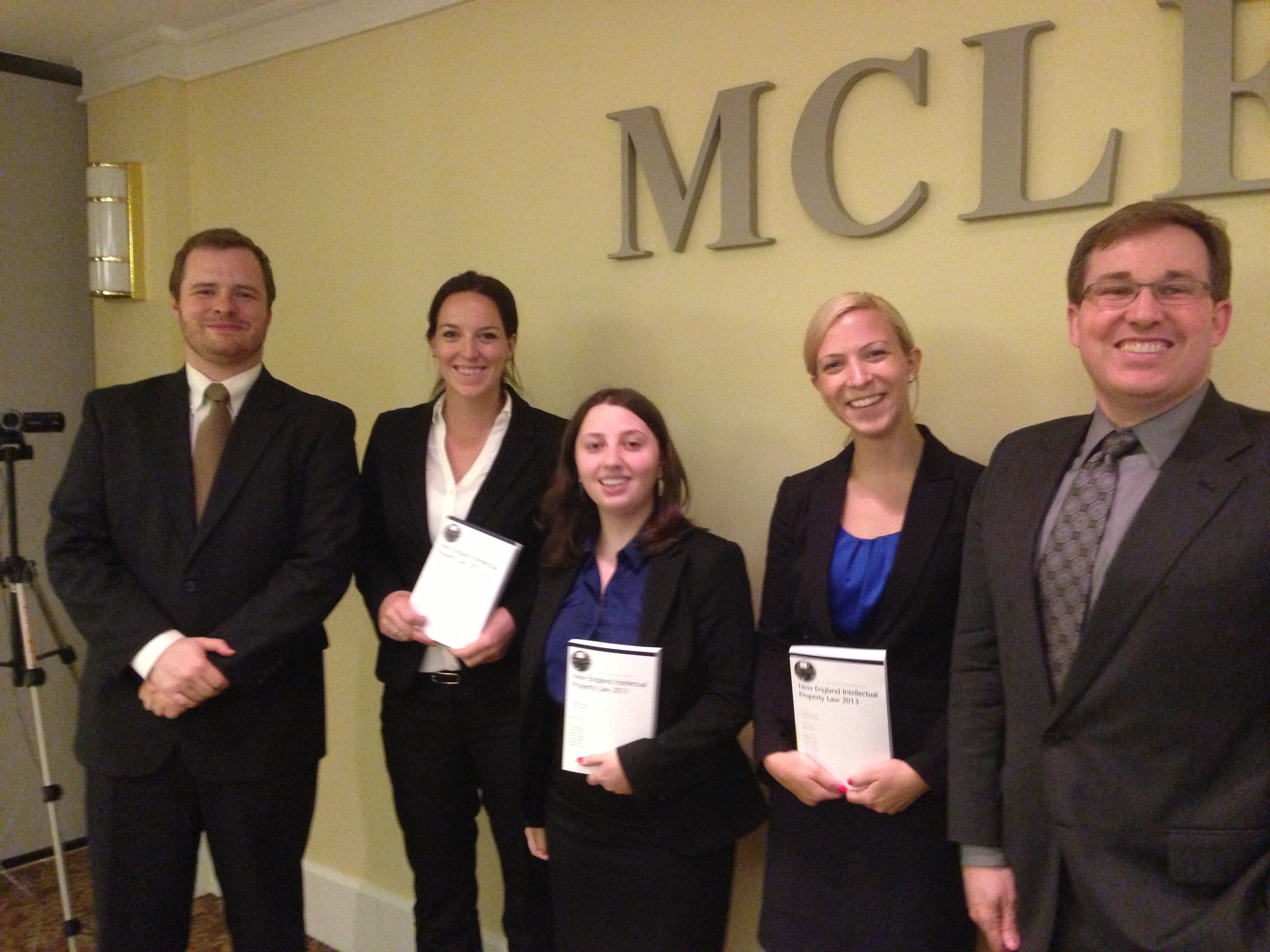
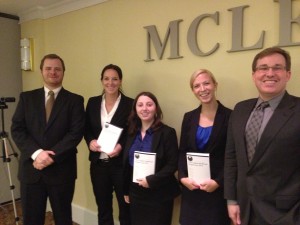
My research at the DMLP wasn’t all that Berkman had to offer. One week, my supervisors, my fellow DMLP interns, and I were invited to attend a Massachusetts Continuing Legal Education course at which our supervisor, Jeff Hermes, was presenting. This experience was certainly one of the highlights of my summer as I was able to hear first-hand about the most recent issues and case law in this field.
Each week, my fellow “Berkterns” and I were invited to attend lunchtime and afternoon seminars on a variety of topics, legal and otherwise, given by scholars at the top of their fields. These presentations were followed by intellectually stimulating discussions which often challenged me to consider new ideas and viewpoints. (Another summer highlight: at one such lunchtime presentation, representatives from Google Glass came by and let us try on Glass(es)! The demo led to a great discussion about the legal, social, and privacy implications of the new technology.)
 I would highly recommend an internship at the Digital Media Law Project to anyone interested in studying recent media law cases and understanding the protections needed to prevent chilling effects. I made great friends, had a wonderful time traveling around Boston and Cambridge, and embraced everything the area had to offer. Through the DMLP’s collaborative work environment, I was able to learn so much about media law and witness first-hand how this relatively new area of law is influencing a wide range of people across the country.