
The UNC Center for Media Law and Policy is pleased to announce the winners of the annual James R. Cleary Prize for the best student-published scholarly articles on media law and policy.
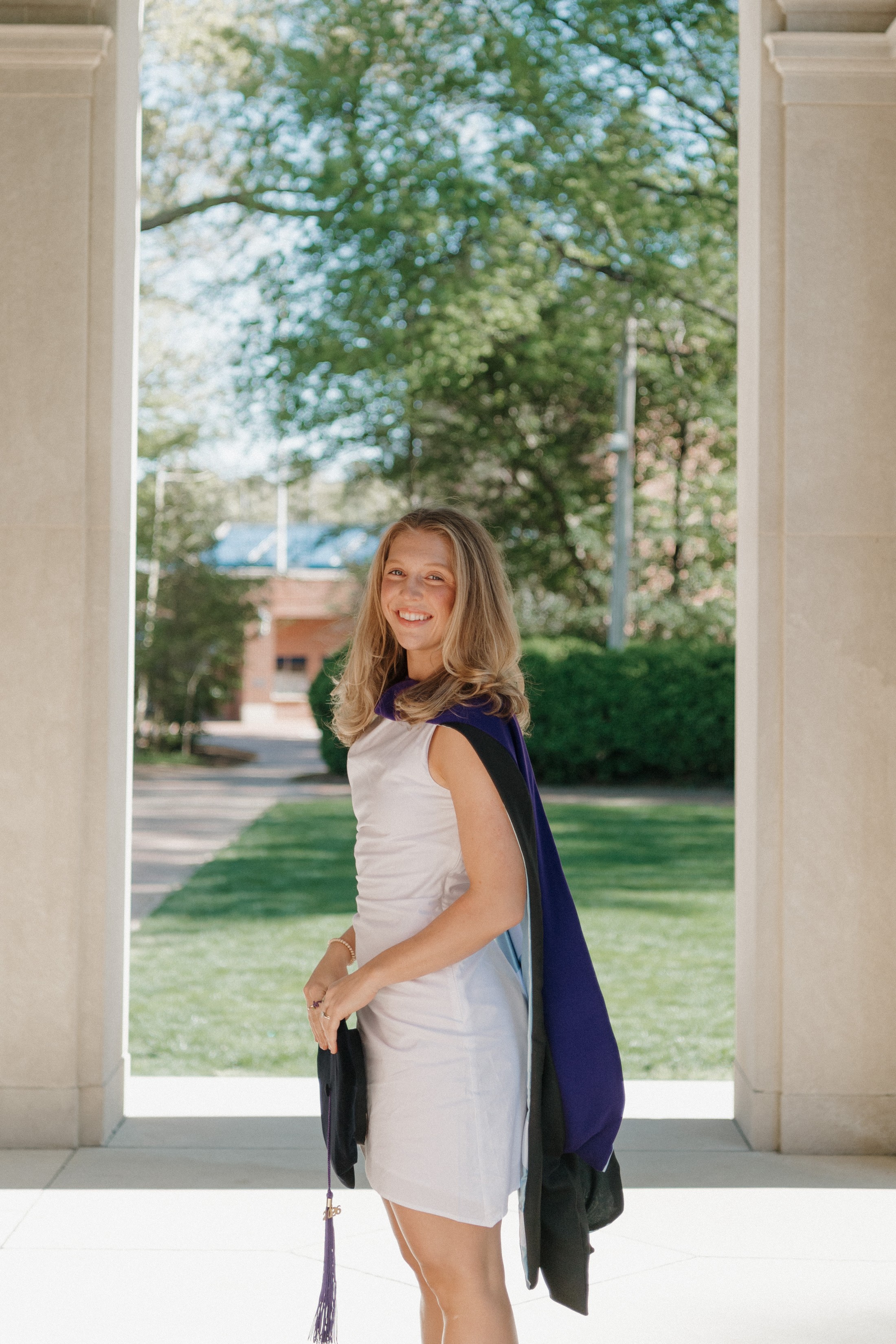 This year’s first-place winner is Anne (Sutton) Orndorff for her article titled “A Woman’s Right to Know, But Not to Choose: Revisiting HB854 in the Wake of Dobbs and NIFLA.” The award comes with a $1,000 cash prize.
Sutton’s Note examines abortion informed-consent laws, focusing on North Carolina’s HB854 and the Fourth Circuit’s decision in Stuart v. Camnitz. She argues that abortion “informed consent” has increasingly been used as a tool of ideological pressure rather than genuine patient education. The piece traces the doctrinal history from City of Akron, Thornburgh, and Casey through Rounds and Lakey, then contrasts those cases with Stuart, which treated the law as compelled speech and applied intermediate scrutiny. The Note’s central claim is that NIFLA and Dobbs undermine the Fifth and Eighth Circuits’ reliance on Casey and make a fresh First Amendment analysis necessary. It concludes that many abortion “informed consent” laws are not true informed-consent regulations at all and should be vulnerable under the First Amendment.
Sutton is a graduating third-year student from the University of North Carolina School of Law. Originally from Charlotte, North Carolina, she attended the University of Richmond where she majored in History and minored in Latin American, Latino & Iberian studies. During her time at Richmond, she also served as a captain of the Division I field hockey team. At Carolina Law, she served as president of the Carolina Law Ambassadors and a Note Editor for the First Amendment Law Review. After graduation, she will join a commercial real estate firm in Raleigh.
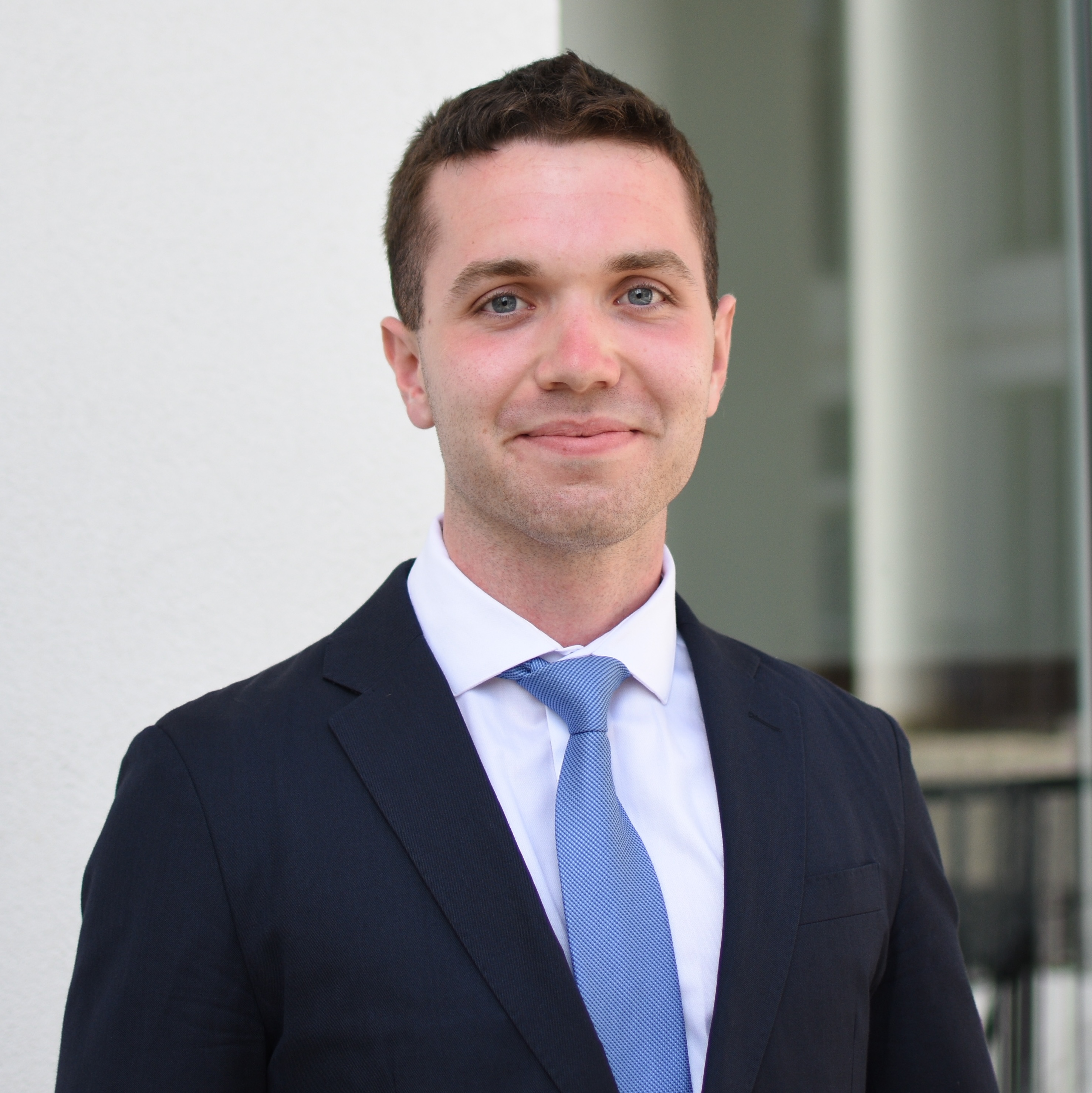
This year’s second-place winner is Owen Breen for his article titled “Lights, Camera, Arrest! Sharpe v. Winterville Police Department Represents a Novel Collision of Law Enforcement Priorities and the First Amendment.” The award comes with a $500 cash prize.
Owen’s Note analyzes Sharpe v. Winterville Police Department, a Fourth Circuit case involving a passenger who attempted to livestream a traffic stop. He frames the case as a conflict between the public’s First Amendment interest in recording police and law enforcement’s interest in officer safety during traffic stops. The piece surveys the broader right-to-record jurisprudence, including Glik, Gericke, Fields, Project Veritas, and Irizarry, and discusses how time, place, and manner limits and obstruction statutes shape the doctrine. It also explores the Fourth Amendment implications of traffic stops and argues that livestreaming during an active stop may create unique safety risks that justify some limits. The Note ultimately takes a more skeptical view of expansive recording rights in this context, especially where livestreaming may interfere with police duties.
Owen is a 2026 graduate of the University of North Carolina School of Law. Born and raised in the suburbs of Philadelphia, Pennsylvania, he now lives in Wilmington, North Carolina. Previously, he graduated from Emory University’s Goizueta Business School in 2023 with a Bachelor of Business Administration degree and a double major in Political Science. While at Carolina Law, he was a staff writer on the First Amendment Law Review. Owen is passionate about First Amendment issues, politics, and current affairs. He will join Phelps Dunbar as an Associate Attorney in its Raleigh office in the fall.
Comments are closed.