
 The UNC Center for Media Law and Policy is thrilled to announce the winners of the inaugural James R. Cleary Prize for students who wrote the best published scholarly articles on media law and policy related topics in 2018.
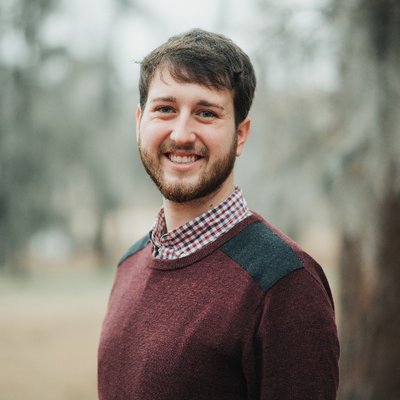
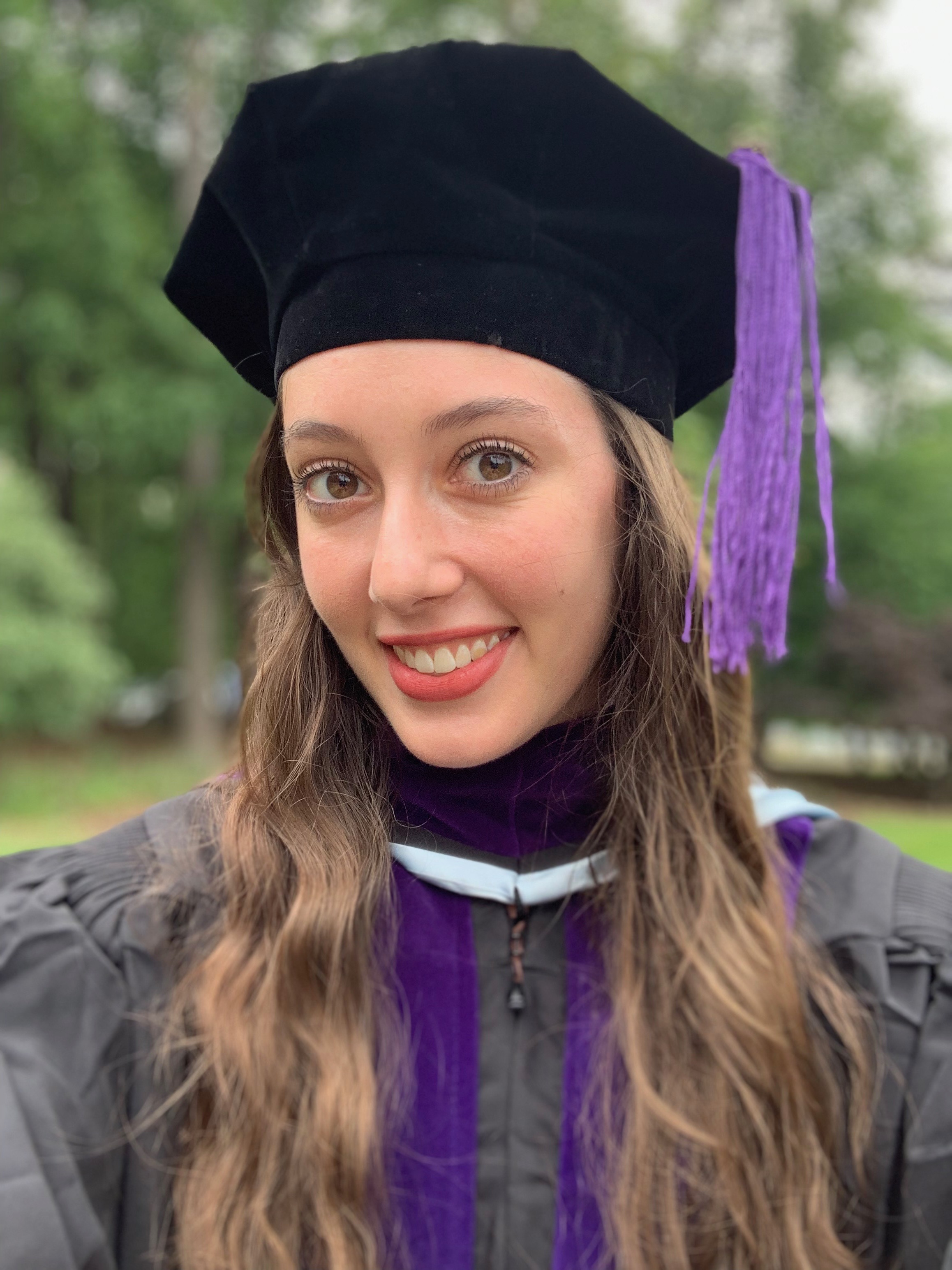
This year’s first place winner is Austin Vining, a joint JD/Ph.D. student at the University of Florida Levin College of Law and College of Journalism and Communications, for his Mississippi Law Review article “Trick or Treat?: Mississippi County Doesn’t Clown Around With Halloween Costumes.” The second place winner is Alexandra Baruch Bachman, who graduated from the University of North Carolina School of Law in May 2019. Her article was titled “WTF? First Amendment Implications of Policing Profanity” and was published in the First Amendment Law Review. Vining will receive a $1,000 prize, and Baruch Bachman will receive a $500 prize.
 The award honors the legacy of James R. Cleary, an attorney who practiced for 56 years in Huntsville, Ala. He was particularly interested in the communications field and media law issues. Cleary’s daughter, Johanna Cleary, is a 2004 Ph.D. graduate of the UNC School of Media and Journalism.
Vining has researched freedom of information laws, shield laws, defamation, fake news, anti-masking laws, and nonconsensual pornography. He teaches media law and is a graduate research fellow at the Brechner First Amendment Project. He is a member of the Florida Law Review, and he serves as Chair of the Board of Directors for the Independent Florida Alligator.
Previously, Vining was a journalist for the Oxford Eagle and the Vicksburg Post, both in Mississippi. He is a former legislative intern for U.S. Senator Mary Landrieu and a former legal intern for Reporters Committee for Freedom of the Press.
Vining has bachelor’s degrees in journalism and psychology from Louisiana Tech University, where he served as editor-in-chief of the student newspaper. He earned a master’s degree in journalism from the University of Mississippi, where he was a graduate assistant at the Mississippi Scholastic Press Association.
Baruch Bachman grew up in Setauket, New York, and completed her undergraduate degree in English and Foreign Language at the University of Delaware in December 2015. At the University of Delaware, she served as staff writer and editor-in-chief of the student publication, DEconstruction.
While at Carolina Law, Baruch Bachman served as a staff writer and notes editor for the First Amendment Law Review (FALR). She now resides in Charlotte, North Carolina.
You can read more about the Cleary Prize competition here. Please check the Center’s blog for an announcement of next year’s deadline.
Congratulations to both winners!

 Are you interested in pursuing a career in media law or policy? Are you worried that you won’t be able to take that plum summer job in Atlanta, Los Angeles, New York, or Washington, because it’s just too expensive to live there. Well, the Center for Media Law and Policy is here to help. For the eighth year in a row, the Center will be providing grants to UNC law and graduate students who have a summer job in the field of media law or media policy.
 updated regularly with both full-time jobs and internships/fellowships in a variety of media law and related fields, including journalism, intellectual property, and business affairs. The Jobs Board serves as a centralized place to find opportunities from all over the world.